Iron Rich Foods for Toddlers
Doctor-approved iron rich foods for toddlers — 15 foods, absorption tips, and deficiency signs every parent needs to know.
Why Iron Matters for Toddlers
Iron is the most common nutrient deficiency in toddlers, and it's essential for healthy brain development, energy, and immune function. Between ages 1 and 3, your toddler's brain is growing at an extraordinary rate, and iron is required for myelin synthesis, neurotransmitter production, and cognitive development. Studies show iron deficiency at this age can lead to developmental delays, behavioral problems, and weakened immunity that persist beyond the toddler years. The problem is that toddlers are notoriously picky eaters, and many of the foods they gravitate toward — milk, refined carbs — are poor iron sources. Toddlers who drink more than 24 ounces of milk a day are at meaningfully higher risk of deficiency, since milk fills them up without providing iron, and calcium actually inhibits iron absorption. The recommended daily intake for ages 1-3 is 7 milligrams, and hitting that target takes intentional food choices, not just hoping for the best. Understanding which foods are most effective, and how to pair them with vitamin C for better absorption, is the key to preventing deficiency.
15 Best Iron-Rich Foods for Toddlers
Lean ground beef (2 mg per 3 oz, one of the most absorbable heme iron sources), dark meat chicken (1 mg per 3 oz), eggs (1 mg each, mostly in the yolk), fortified breakfast cereals (up to 18 mg per serving — check labels), lentils (3 mg per half cup cooked), black beans (2 mg per half cup), spinach (3 mg per half cup cooked — pair with vitamin C), sweet potatoes (1 mg per medium potato), raisins (1 mg per quarter cup), fortified pasta (2 mg per cup cooked), turkey meatballs (2 mg per 3 oz), chickpeas (2 mg per half cup), fortified bread (1 mg per slice), prune juice (3 mg per cup), and pumpkin seeds (4 mg per ounce, ground for toddlers). This list mixes heme iron from animal sources, which is absorbed more easily, with non-heme iron from plants, which benefits from vitamin C. Rotate through them to keep meals interesting and maintain a steady intake. For picky eaters, hiding these foods in smoothies, sauces, or muffins still counts toward the daily 7 mg target.
How Much Iron Does a Toddler Need Daily?
The recommended daily allowance for ages 1-3 is 7 milligrams. That's achievable, but it takes planning. A typical day might look like: fortified cereal at breakfast (8 mg), a hard-boiled egg for snack (1 mg), lentil soup at lunch (3 mg), and a small portion of ground beef at dinner (2 mg) — totaling 14 mg, well above the minimum. Absorption matters as much as intake, though. Heme iron from animal sources is absorbed at 15-35%, while non-heme iron from plants is absorbed at only 2-20%. To maximize absorption of plant sources, pair them with vitamin C-rich foods — orange juice with fortified cereal, tomatoes with lentils, strawberries with spinach. Avoid giving milk alongside iron-rich meals, since calcium competes with iron for absorption; serve milk between meals instead. If your toddler is a picky eater and you're worried about hitting the target through food alone, talk to your pediatrician about a supplement — but food-first is always the best approach, since whole foods provide a matrix of nutrients supplements can't replicate.
Signs of Iron Deficiency in Toddlers
Recognizing the signs early matters. Watch for pale skin, especially around the lips, nails, and inner eyelids; unusual fatigue or low energy; frequent illnesses (iron is essential for immune function); poor appetite or craving non-food items like ice or dirt (a condition called pica); slow weight gain or growth; irritability or behavioral changes; and breath-holding spells. If you notice any of these, ask your pediatrician for a serum ferritin blood test, which measures iron stores. If levels are low, your doctor may recommend more iron-rich foods, a supplement, or both. Deficiency is highly preventable with a diet built around these foods — offering iron-rich options at every meal, pairing them with vitamin C, and limiting milk to no more than 16-24 ounces a day keeps most toddlers in a healthy range. For a complete guide with recipes, meal plans, and a tracking chart, see our Iron Rich Foods for Toddlers Guide below.
Medically reviewed by Dr. Sarah Chen, MD · See our editorial policy
Featured Guides

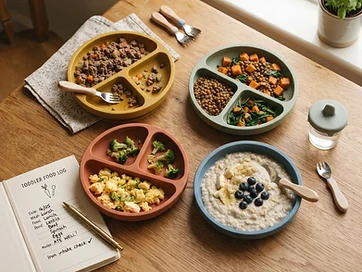 Pediatrician-approvedIron Rich Foods for Toddlers
Iron Rich Foods for Toddlers Guide
15 doctor-approved iron rich foods for toddlers, 4 weeks of meal plans, absorption charts, and a deficiency checklist — everything you need to prevent iron deficiency.
eBook (PDF)
Frequently Asked Questions
What are the best iron rich foods for toddlers?
Lean ground beef, dark meat chicken, eggs, fortified cereals, lentils, black beans, spinach, and fortified pasta are all strong options. Pair plant-based sources with vitamin C for better absorption.
How much iron does a toddler need per day?
Toddlers aged 1 to 3 need 7 milligrams of iron per day, achievable through foods like fortified cereal, eggs, lentils, and lean meat spread across meals and snacks.
What are the signs of iron deficiency in toddlers?
Common signs include pale skin, fatigue, frequent illness, poor appetite, irritability, and slow growth. If you notice these, ask your pediatrician for a serum ferritin blood test.