1 Year Old Meal Plan
A complete 1 year old meal plan with daily schedules, portion sizes, and 30+ recipes to nourish your toddler through the transition to table food.
Why Your 1-Year-Old Needs a Meal Plan
A structured meal plan is one of the most useful tools during the transition from baby food to table food. At 12 months, your toddler is growing rapidly, developing food preferences that can last a lifetime, and moving from breastmilk or formula to whole milk and solid meals. A well-designed plan makes sure they get the right balance of iron, calcium, healthy fats, protein, and vitamins right as picky eating often begins to emerge. Research shows toddlers who eat on a consistent schedule with regular meal and snack times are more likely to try new foods, eat a wider variety of nutrients, and build habits that stick into childhood. It also takes the daily guesswork out of feeding — instead of deciding what to cook three times a day, you have a framework. The key is including foods from all groups at every meal: protein (meat, eggs, beans), whole grains (oats, whole wheat, brown rice), fruits, vegetables, and dairy (whole milk, yogurt, cheese). Aim for roughly 1,000 calories a day, spread across three meals and two to three snacks.
Sample Full Day
Breakfast (7:30 AM): half a sliced banana, one scrambled egg, and a quarter cup of whole-milk oatmeal with a teaspoon of peanut butter — protein, iron, healthy fats, and complex carbs. Morning snack (10:00 AM): a quarter cup of full-fat yogurt with a tablespoon of mashed berries — calcium, probiotics, vitamin C. Lunch (12:00 PM): two small whole wheat toast fingers with hummus, very soft steamed carrot sticks, and a quarter cup of diced peaches. Afternoon snack (3:00 PM): one cheese stick and a few whole grain crackers. Dinner (5:30 PM): two tablespoons of ground beef or lentil Bolognese with whole wheat pasta, a tablespoon of steamed broccoli, and a quarter cup of whole milk. Evening snack (optional, 7:00 PM): a small cup of warm whole milk. This sample day provides roughly 1,000 calories, 40 grams of protein, and meets the RDA for iron, calcium, and vitamin C. Notice milk is served with meals, not between them, to avoid filling up and blunting appetite for iron-rich foods — rotate proteins, grains, fruits, and vegetables day to day to maximize variety.
Portion Sizes
Portion sizes are the most common source of confusion for parents at this stage. A 1-year-old's stomach is about the size of their clenched fist, so servings are much smaller than most parents expect — typically 1-2 tablespoons of each food group per meal. For protein, that's one egg, one tablespoon of ground meat, or two tablespoons of beans. For grains, a quarter slice of toast, a quarter cup of pasta, or a quarter cup of oatmeal. For fruits and vegetables, two tablespoons of diced or mashed produce. For dairy, 4 ounces (half a cup) of whole milk or a quarter cup of yogurt. A simple rule of thumb: offer a tablespoon of each food per year of age — one tablespoon at 1 year, two at 2. It's completely normal for your toddler to eat very little at some meals; appetite varies day to day. Your job is to decide what, when, and where to serve; your toddler's job is to decide whether and how much to eat. Never force eating — it creates negative associations with food. Trust that balanced offerings across the week will meet nutritional needs.
Foods to Include and Avoid
A well-rounded plan includes a wide variety of nutrient-dense foods while avoiding those that pose safety or health risks. Include iron-rich foods like lean ground beef, eggs, lentils, and fortified cereals (iron is the most critical nutrient at this age); calcium-rich foods like whole milk, yogurt, and cheese; healthy fats like avocado, thinly spread nut butters, and olive oil for brain development; a range of fruits and vegetables for vitamins and fiber; and whole grains like oats, whole wheat, and brown rice for sustained energy. Avoid or limit honey (botulism risk until 12 months, and still worth limiting after); whole grapes, cherry tomatoes, nuts, popcorn, and hot dogs unless properly cut (choking hazards); foods high in added sugar like cookies, candy, and sweetened drinks; high-sodium processed foods like deli meats and chips; and raw or undercooked meat, eggs, and fish. Cap milk at 16-24 ounces a day — too much reduces appetite for iron-rich foods and can cause anemia. Limit juice to 4 ounces or less of 100% fruit juice, or offer whole fruit instead. For a complete plan with 30+ recipes and weekly schedules, see our eBook below.
Medically reviewed by Dr. Sarah Chen, MD · See our editorial policy
Featured Guides

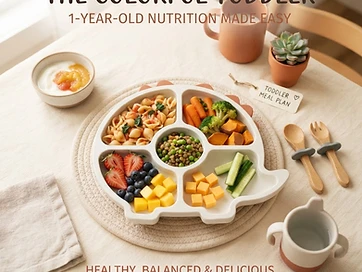 Dietitian-created1 Year Old Meal Plan
1 Year Old Meal Plan eBook
A complete 1 year old meal plan with 30+ recipes, 4 weeks of daily schedules, portion size guides, and a grocery list — stress-free toddler feeding starts here.
eBook (PDF)
Frequently Asked Questions
How many meals should a 1 year old eat per day?
Aim for three meals and two to three snacks per day, providing approximately 1,000 calories. Offer food every 2 to 3 hours to maintain energy and appetite.
How much milk should a 1 year old drink?
Limit whole milk to 16 to 24 ounces per day. Too much milk reduces appetite for iron-rich foods and can lead to iron deficiency anemia.
What are good portion sizes for a 1 year old?
A typical serving is 1 to 2 tablespoons of each food group. The rule of thumb is one tablespoon of each food per year of age.